Phlebotomy Technician

The Ultimate 2026 Study Guide:
100% Pass Guarantee or Your
Money Back*

The Phlebotomy
Mastery Vault

Conquer the CPT Exam

A comprehensive roadmap featuring 200+ practice questions, procedural mnemonics, and the "Big Three" order of draw cheat sheets used by top-tier technicians.

The NHA Certified Phlebotomy Technician (CPT) Test Plan functions as the official exam blueprint, covering five key domains: Safety and Compliance, Patient Preparation, Routine Blood Collections, Special Collections, and Processing. Updated for 2026, the 120-question exam consists of 100 scored items and 20 pretest questions to be completed in two hours. For full details on the test plan and to access official study materials, visit nhanow.com.


To Qualify for a Refund you must meet following criteria:

  • Be eligible to test for NHA CPT exam
  • You must complete review content and exams with 90% pass rate
  • You must attempt exam three times at own expense and submit scores


From Student to Skilled Phlebotomist

Bridge the gap between theory and clinical practice with step-by-step guides on venipuncture, specimen handling, and patient communication.

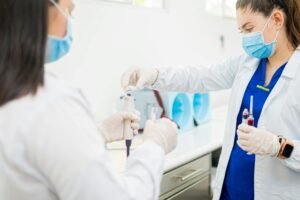
Healthcare professionals performing blood tests in a laboratory setting.
As an entry level phlebotomist you must practice at a safe level to pass the certificatin exam including 
1. Safety and Compliance 
Such as OSHA regulations, infection control, fire safety.  hand hygiene, and sharps safety. Patient Preparation
Ensures the patient is ready for the procedure. Key tasks include verifying dual patient identifiers, obtaining informed consent. 
Routine Blood Collection
The largest portion of the exam, covering the mechanics of the draw. This includes selecting the correct equipment, mastering venipuncture and capillary techniques, and strictly adhering to the CLSI Order of Draw to prevent additive cross-contamination.
 Special Collections
Covers non-routine procedures that require specific protocols. This includes blood cultures using aseptic technique and providing instructions for non-blood specimens like clean-catch urine or sputum.
 Processing and Post-Puncture Care
Focuses on what happens after the needle is removed. including labeling, handling temperature-sensitive samples (chilled or warmed), centrifugation, and ensuring the patient is stable and the puncture site is bandaged correctly.

 

Other Study Guides You might enjoy

Nurse Aide Excellence

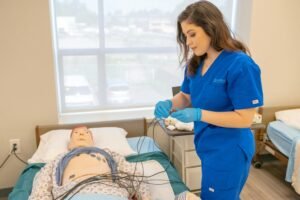
Medical student in blue scrubs practicing procedures on a patient training manikin in a clinical setting.
The Ultimate Nurse Assistant Certification Prep Guide


Master the 22+ core clinical skills required for certification with our expert-designed study guide. From perfecting manual blood pressure to advanced patient transfer techniques, this comprehensive resource breaks down complex procedures into easy-to-follow, step-by-step instructions.

  • Key Features: Includes multiple full-length practice tests, detailed answer explanations, and “insider” tips from experienced nursing educators to eliminate test anxiety.
  • The Result: Go beyond memorization; build the confidence to excel on exam day and provide high-quality, compassionate care in any healthcare setting.
  • Pass guarantee or your money back!

Phlebotomy Tech Excellence

Smiling female scientist with lab glassware filled with colorful liquids.
The Precision Phlebotomy Certification Prep
Master the art of the draw with our comprehensive guide to venipuncture and capillary skin punctures. This manual breaks down the “Order of Draw,” tube additives, and pre-analytical errors into easy-to-digest visual charts. Specifically designed for NHA test plan exam.
  • What’s Inside: Step-by-step checklists for the 10-step phlebotomy procedure, safety protocols for needle disposal (OSHA), and 200+ practice questions.
  • The Result: Eliminate guesswork and build the clinical accuracy needed to pass your national certification on the first attempt.
  • Pass Guarantee of Your money back!
  •  
Scroll to Top